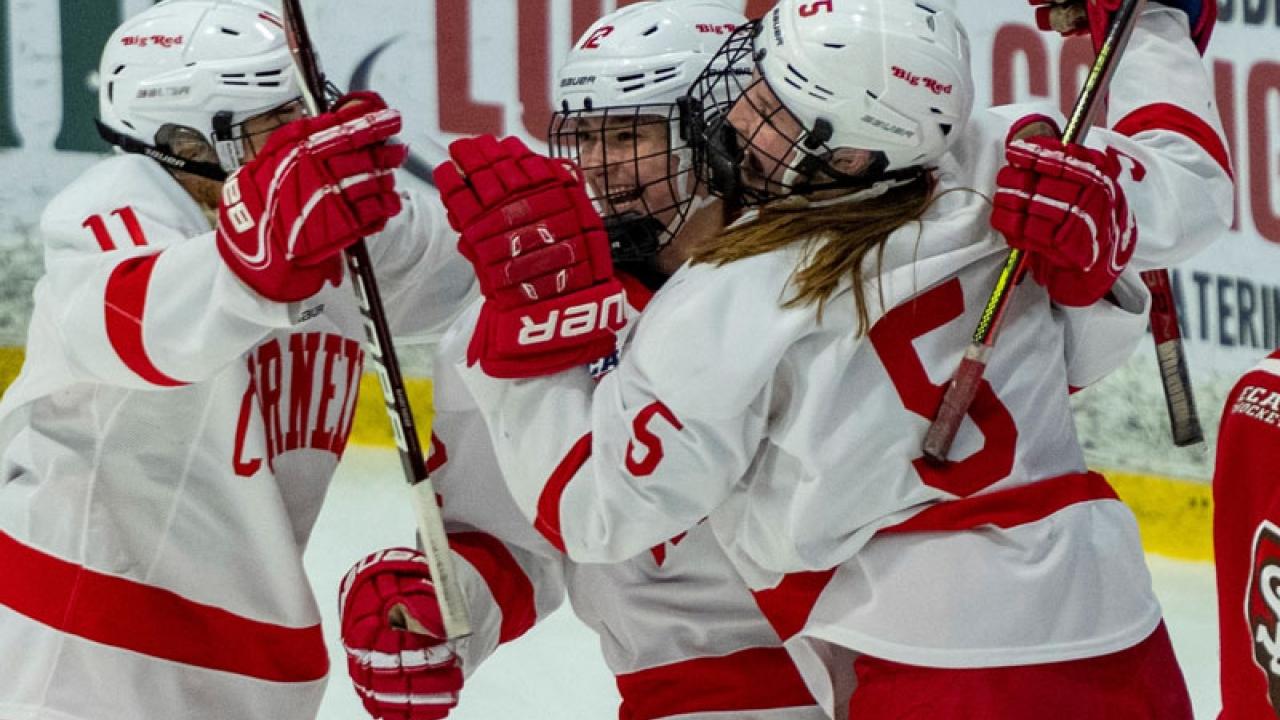
Frozen Four Path: How 16 Teams Battle for NCAA Hockey Glory
The crack of the stick, the roar of the crowd, the dizzying speed of collegiate athletes—there's nothing quite like the
Ncaa Hockey Championship. More than just a tournament, it's an annual spectacle where 16 of the nation's top Division I men's ice hockey programs clash in a thrilling single-elimination format, all vying for the ultimate prize: the national championship trophy. From its humble beginnings to its current high-stakes drama, this event captivates fans and showcases the future stars of the sport.
Established by the NCAA in 1948, this championship quickly became the pinnacle of men's college hockey. What started as a modest four-team gathering has since blossomed into a grand, 16-team bracket, a format adopted in 1980 that dramatically intensified the competition. Held typically in early April, the tournament culminates in the fabled Frozen Four, where the intensity reaches fever pitch and dreams are either realized or shattered in a matter of 60 minutes, or often, more.
The Grand Stage: Understanding the Ncaa Hockey Championship Format
The road to becoming a national champion in NCAA Division I men's hockey is a grueling sprint, not a marathon. Unlike professional leagues with best-of-seven series, the Ncaa Hockey Championship operates on a high-stakes, single-elimination model. This "win or go home" approach imbues every puck drop, every save, and every goal with immense pressure and excitement.
The 16 qualifying teams are organized into four regional tournaments. Each regional consists of four teams, battling it out in two semifinals and a regional final. The winner of each of these four regional finals earns their coveted spot in the Frozen Four. This structure ensures that only the strongest, most resilient teams—those peaking at precisely the right moment—can advance to the national semifinals.
The Frozen Four itself is hockey's version of college basketball's Final Four, bringing the four regional champions together at a predetermined neutral site. Here, two semifinal games lead to the ultimate championship showdown. It's a weekend filled with incredible skill, tactical prowess, and often, unforgettable overtime thrillers. The atmosphere is electric, with passionate fan bases traveling from across the country to support their teams.
Crafting a Championship Contender: Selection and Strategy
Earning a berth in the Ncaa Hockey Championship is an achievement in itself, a testament to a season of hard work and consistent performance. The 16 tournament spots are allocated through a combination of automatic bids and at-large selections.
*
Automatic Bids: These are reserved for the champions of the six NCAA Division I men's ice hockey conferences. Winning a conference tournament is the most direct path to the national stage, often leading to intense rivalries and surprising upsets in postseason conference play.
*
At-Large Selections: The remaining ten spots are awarded to teams based on their overall season performance metrics. The NCAA's PairWise Ranking system is the primary tool used for these selections, evaluating a team's record against other teams' records, strength of schedule, and head-to-head results. This sophisticated ranking system ensures that the most deserving teams, even those who might have faltered in their conference tournaments, still get a chance at the national title.
Once the 16 teams are selected, they are seeded and placed into the regional brackets. Strategic seeding can significantly impact a team's path, potentially avoiding stronger opponents in earlier rounds. However, in a single-elimination tournament, every game is a monumental challenge, demanding precision passing, exceptional goaltending, relentless forechecking, and enduring physical and mental stamina. The best teams understand that success in the Ncaa Hockey Championship hinges not just on raw talent, but on tactical discipline, mental toughness, and the ability to execute under pressure.
A Legacy Forged on Ice: Champions and Dynasties
Since its inception in 1948, the Ncaa Hockey Championship has crowned 78 champions (through the 2025 edition), etching the names of storied programs into hockey lore. The tournament has been a crucible for developing exceptional talent, showcasing future NHL stars, and creating indelible memories for countless student-athletes and fans.
The University of Denver Pioneers currently stand atop the all-time champions list with an incredible 10 titles. Their success has spanned multiple generations, including a dominant run in the 1960s and more recent triumphs in 2017, 2018, 2022, and the 2024 championship. Close behind are the University of Michigan Wolverines, with 9 titles. Michigan holds a special place in history as the inaugural champion in 1948, dominating the early decades under coaching legend Vic Heyliger. Their early victory, an 8-4 win over Dartmouth, set the standard for collegiate hockey excellence.
For a deeper dive into these legendary programs and all the past winners, explore
NCAA Men's Hockey: 78 Champions, Denver's Record Reign. The evolution of the tournament itself, from its humble beginnings to today's grand spectacle, is a fascinating journey that you can read more about in
From 4 Teams to Frozen Four: NCAA Men's Hockey Evolution.
Recent years have also seen new contenders rise. The 2025 championship, for instance, saw Western Michigan University claim its first-ever title in a thrilling 4-3 overtime victory against Boston University. These moments highlight the growing parity and intense competition across Division I hockey.
The Thrill of the Game: What Makes Ncaa Hockey So Captivating
Beyond the historical records and structural mechanics, what truly defines the Ncaa Hockey Championship is the sheer excitement and passion it generates. The fast-paced, physical nature of college hockey, combined with the single-elimination format, creates an environment ripe for drama and unforgettable moments.
*
Unpredictability: In a best-of-one scenario, any team can win on any given night. A hot goaltender, a timely power-play goal, or a lucky bounce can change the course of a season in an instant. This unpredictability keeps fans on the edge of their seats.
*
High Stakes: For many seniors, this tournament represents their last chance to play competitive hockey. The emotional investment is palpable, leading to heroic efforts and tearful goodbyes.
*
Regional Rivalries: Conferences like Hockey East and the National Collegiate Hockey Conference (NCHC) foster intense rivalries that often spill over into the national tournament. These matchups add another layer of excitement, fueled by years of competitive history.
*
Showcasing Talent: The championship is a prime scouting ground for professional leagues. Fans get to witness future NHL stars battling for pride and glory before they embark on their professional careers.
The journey to the Frozen Four demands excellence in every facet of the game. Teams must exhibit disciplined defense, opportunistic offense, and extraordinary goaltending. Power plays and penalty kills become critical battlegrounds, and the ability to convert on special teams often separates the winners from the defeated.
Conclusion
The Ncaa Hockey Championship is far more than just a series of games; it's a celebration of collegiate athletic excellence, a historical tapestry woven with triumphs and heartbreaks, and a proving ground for the sport's future stars. From the initial 16-team bracket to the culminating Frozen Four, every moment is charged with intensity, skill, and the raw emotion that only a single-elimination format can deliver. Whether you're a seasoned fan or new to the sport, the battle for NCAA hockey glory offers an unparalleled spectacle, reminding us all why college sports hold such a special place in the hearts of millions.